Music Cover Art Revolution:
Why Lo-Fi Album Art Is Gaining Traction
In the past few years, a powerful visual movement has swept through the independent music scene: the embrace of raw, unpolished, and often intentionally "imperfect" album covers. This trend goes by many names anti-aesthetic album art, lo-fi album covers, candid cover art, DIY album art, and authenticity aesthetic. Each term highlights a different facet of the same phenomenon: a rejection of corporate polish and a celebration of realness, vulnerability, and creative freedom.
More Than a Trend: A Creative Stand and a Sign of Change
This movement is far more than a fleeting fad. It’s a deliberate artistic choice a bold statement against an industry obsessed with perfection and image control. By championing the raw, the unfiltered, and the imperfect, these artists assert their independence and authenticity, rejecting the fake and the over-produced.
But this hype, this movement, is also a sign of a deeper need for change. When a young generation stands up against the establishment against a consumer society and big corporations shaping tastes with polished, polite products for pure commercial gain it’s a signal. By deliberately showing themselves not at their best, these next-gen artists are hoping for and demanding change. This is a generation kicking in the door, aiming to impose a major turn in the cultural world.
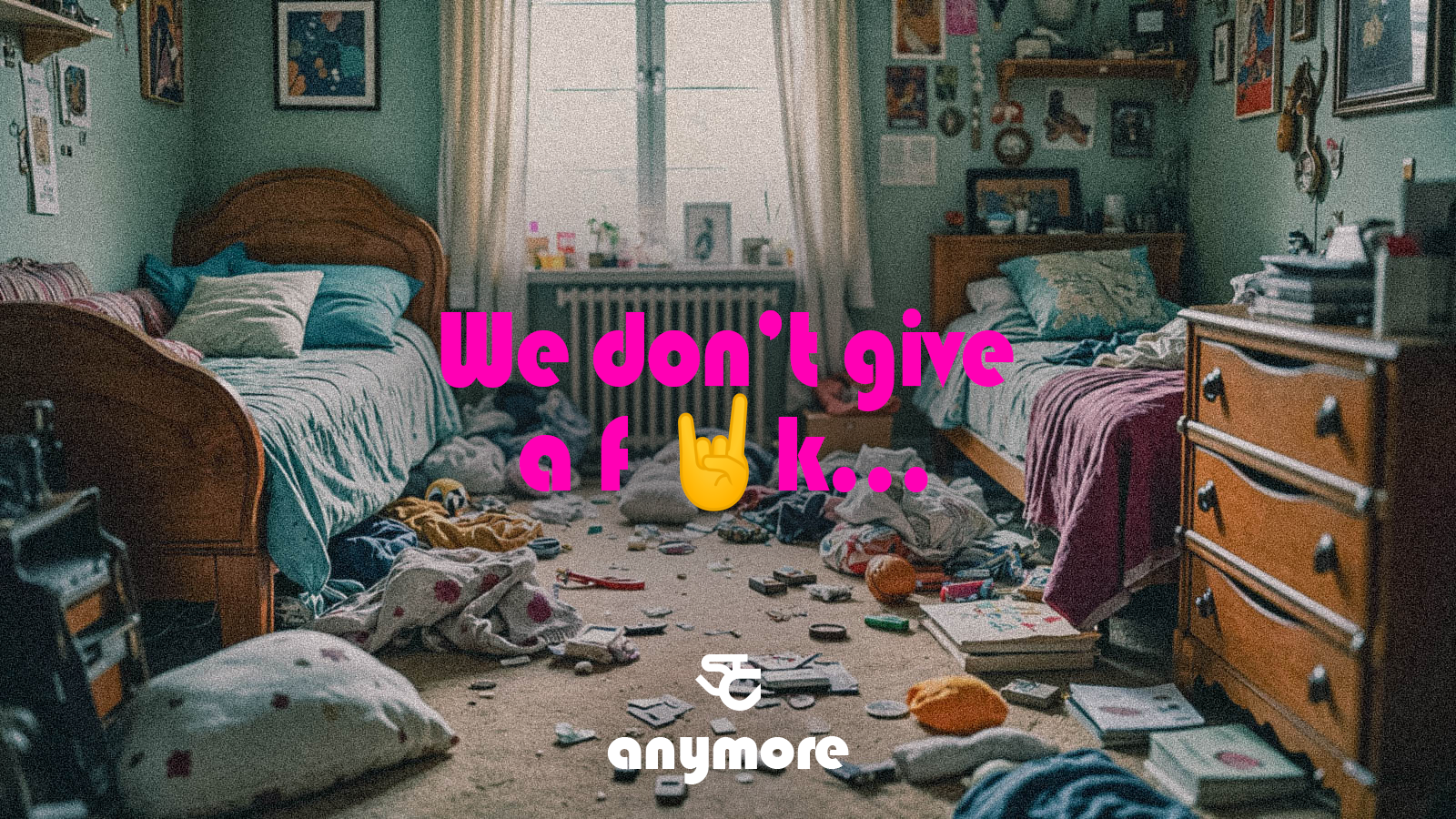
History Repeats: Rebellion Through Rawness
We’ve seen similar waves of rebellion before. In the mid-60s, youth challenged the status quo with new sounds and looks think The Who, David Bowie, The Beatles, Jimi Hendrix. In the ’90s, after the ultra-polished 80s, artists craved grit and authenticity: grunge exploded in America with Nirvana, Pearl Jam, and Soundgarden, while in the UK, bands like Oasis, Blur, and later The Libertines (with Pete Doherty) spearheaded Britpop and a return to rawness.
Flipping the Script: Authenticity Over Image
The lo-fi aesthetic is deeply rooted in Gen Z culture: self-mockery, humor, irony, and a desire to break away from industry conventions. Album covers become a statement a small rebellion against a consumerist industry that’s long prioritized surface over substance. Vulnerability, imperfection, and DIY values are suddenly in demand.
Real Indie Examples
- Alex G – DSU: A blurry, low-res photo of the artist in a bedroom, perfectly embodying the DIY spirit.
- Soccer Mommy – Clean: Features a candid, almost accidental photo, miles away from major label gloss.
- Car Seat Headrest – Twin Fantasy (original 2011 release): Hand-drawn, amateurish cover art made by the artist himself.
- Girl in Red – Chapter 1: Simple, unfiltered selfie as cover.
- (Sandy) Alex G – Trick: Another example of intentionally rough, home-made visuals.
A Turning Point for Independent Artists?
This movement could signal a new era for indie creators. With technology empowering artists to produce everything themselves, there’s a renewed appetite for risk-taking, originality, and self-expression. Perhaps we’re witnessing the dawn of a creative revolution one where meaning, authenticity, and experimentation matter more than appearances.
A Personal Reflection: The Value of Imperfection
My view on what’s happening today gets clearer every day. I truly believe we’ve reached a point of collective fatigue enough is enough. The way technology and consumer business are evolving, constantly shifting us from ownership to renting access, isn’t just about dematerializing things. It’s about stripping away the value and meaning from creativity itself.
Independent artists have always been the rebels, the ones who sparked real change. I believe we’re on the verge of a massive split in both the cultural and consumer worlds. On one side, we’ll see the rise of big consumer culture: AI-made music, high-production, polished products rented, consumed, and discarded. On the other, real people fighting to get their ideas out there, creating like true craftspeople. Their work will become tomorrow’s luxury: authentic, real, and striving for excellence.
Ironically, I think vulnerability, fragility, and imperfection will be the new luxury.
But that’s just my perspective what’s yours? How do you see this shift in music, creativity, and value? I’d love to hear your point of view.ere...

Steev Crispin
Limitless creative mind, music producer, and brand storyteller. Founder of ColorWorld Music, he blends music, branding, and visual arts to craft emotion-first experiences for brands, artists, and audiences worldwide. Known for his non-linear thinking and passion for innovation, he thrives on connecting ideas, people, and disciplines—always exploring new ways to move and inspire.