One Story. One Sound. Two Ways In.
There's a song that moves like heat on asphalt and on July 3rd, a film that holds the same light.
Two releases. One day.
One feeling you won't be able to name until it finds you..
Lost in Paradise
This is not just a song. It is also a film. The track was already in production when a box of Super 8 reels surfaced in an attic, and something shifted, the footage didn't illustrate the music, and the music didn't score the footage.
They found each other. What you are about to hear and see exists as one thing, not two
Take the journey with you
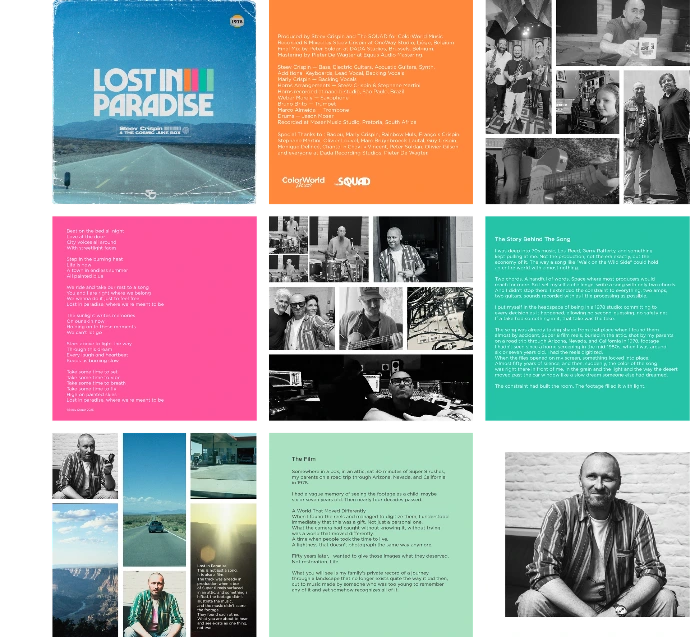
The full story — credits, lyrics & behind the scenes
Download the digital Booklet
The Creative Life. Unfiltered.
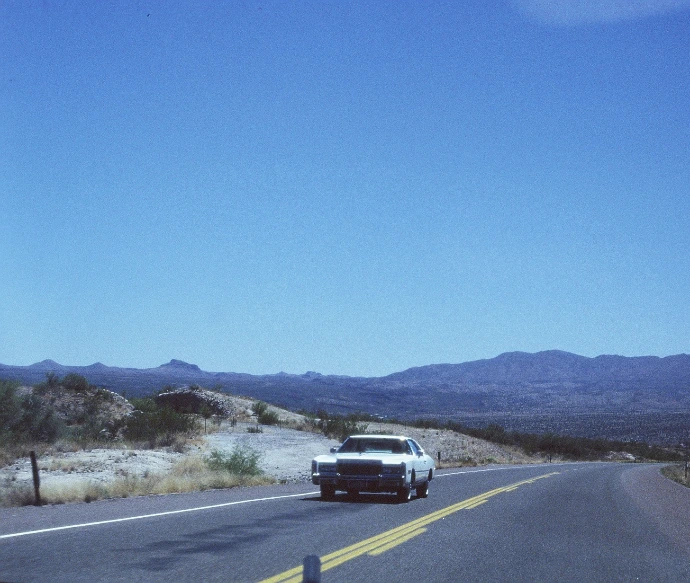
Image For Music
For fifteen years, my work had gone in one direction: music made to serve an image, to hold a scene together, to give a story the emotional weight it needed to land. This time, the process reversed itself completely and deliberately.
The footage didn’t illustrate the song, it finished it. The particular texture of Super 8 film, that warmth, that slight imprecision, that sense of something irretrievably past, it told me exactly how the record needed to sound, and why every instrument needed to be real, and why nothing could be cleaned up or corrected after the fact.
The Record
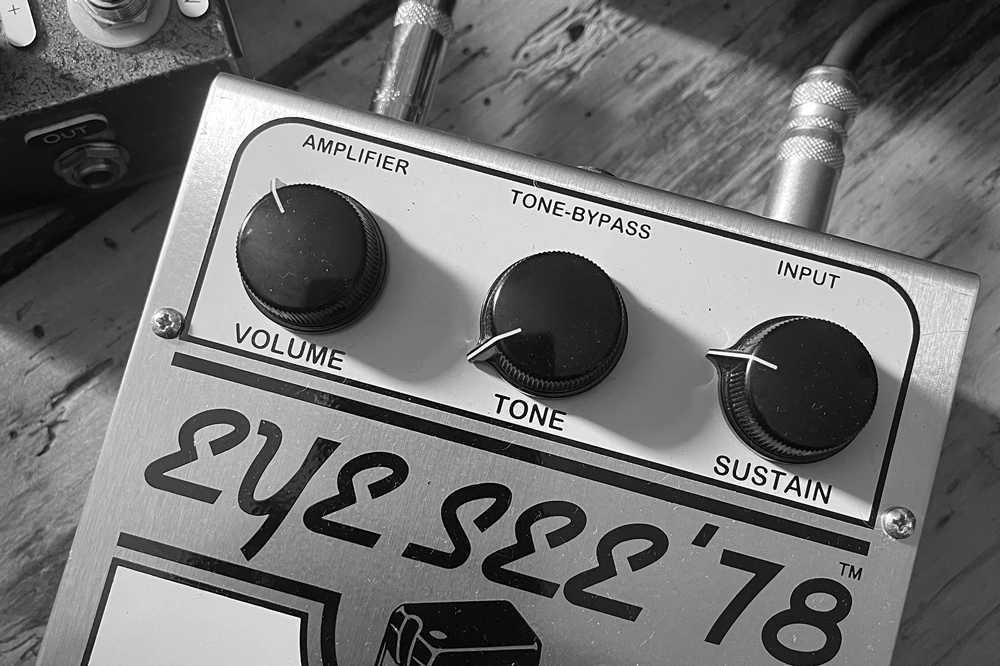
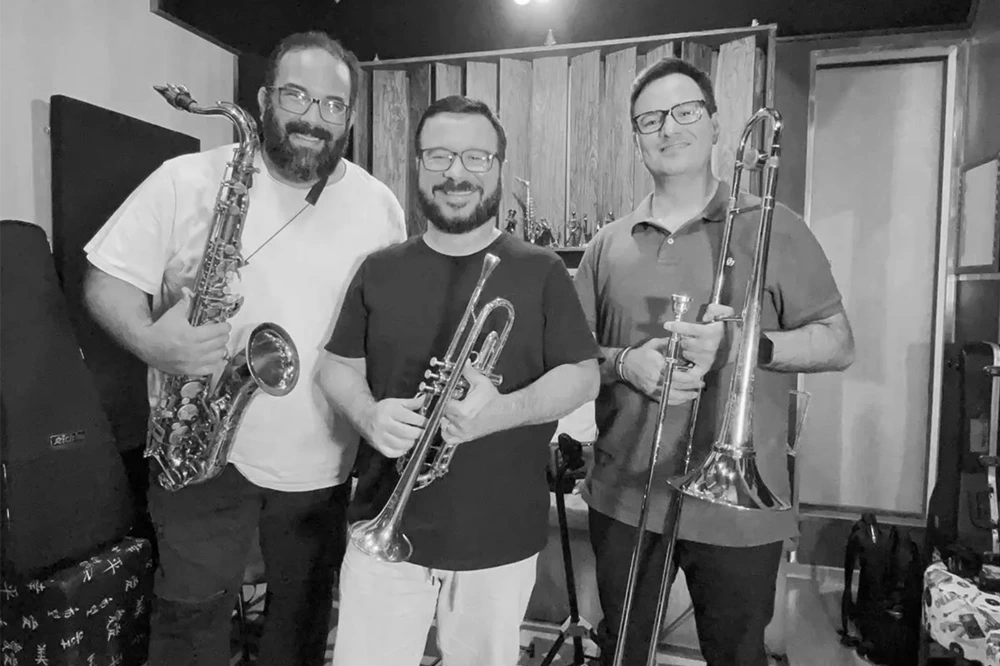
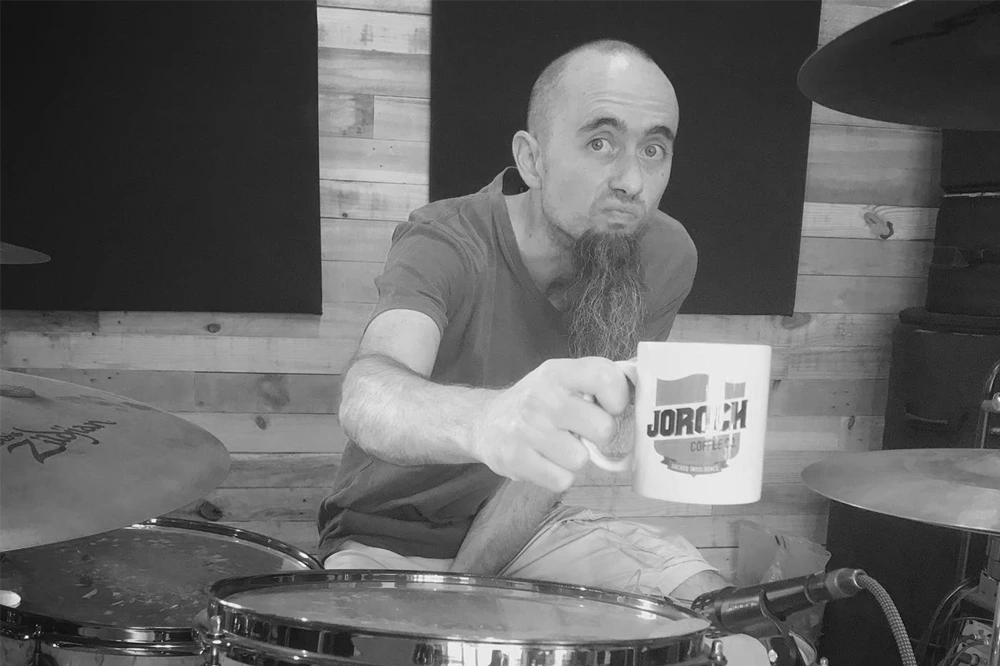
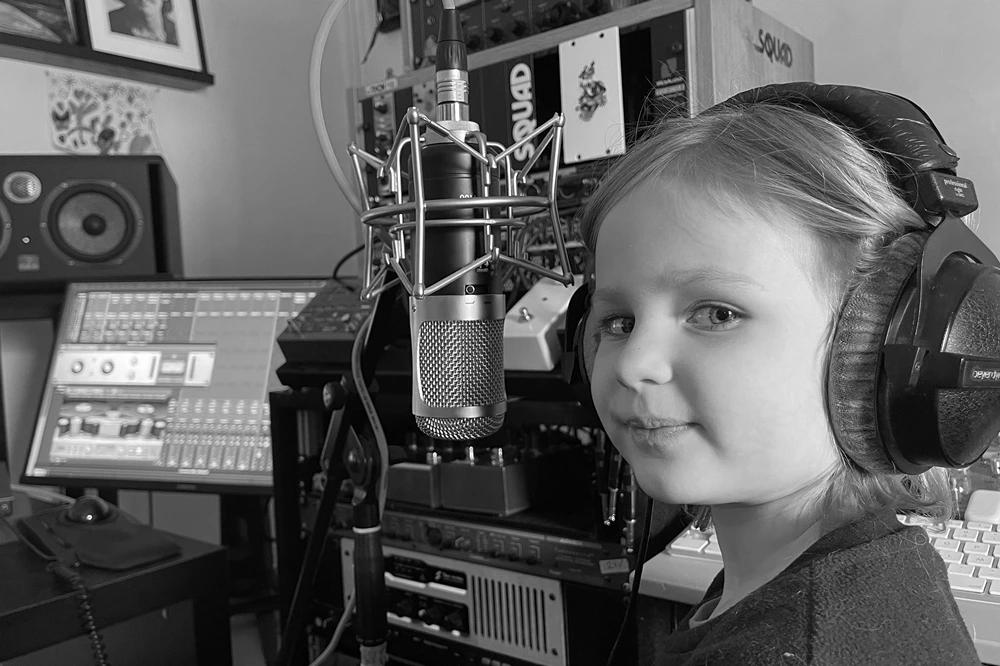
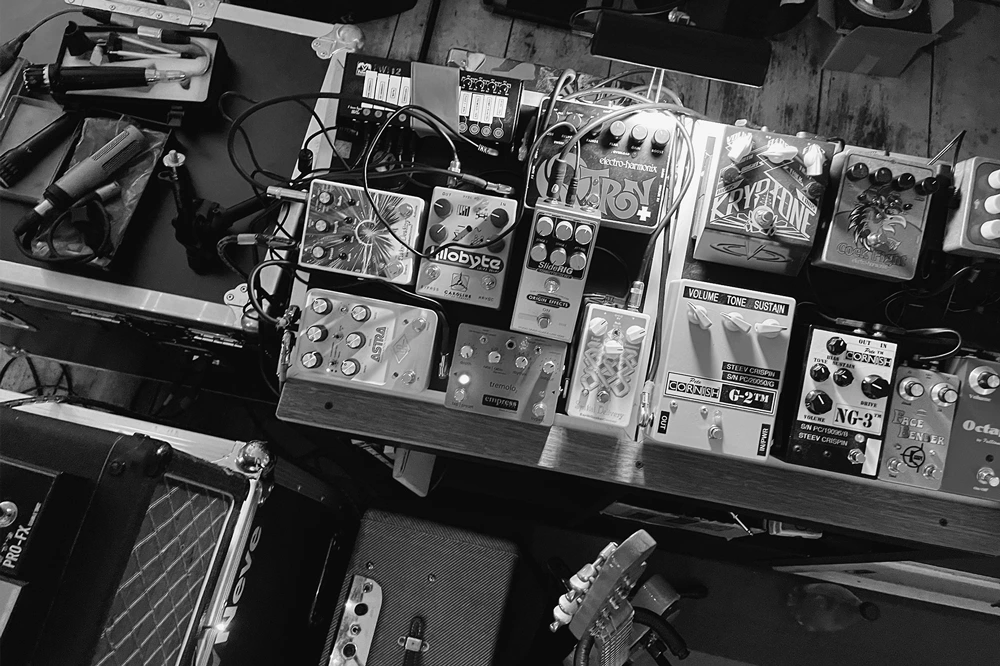
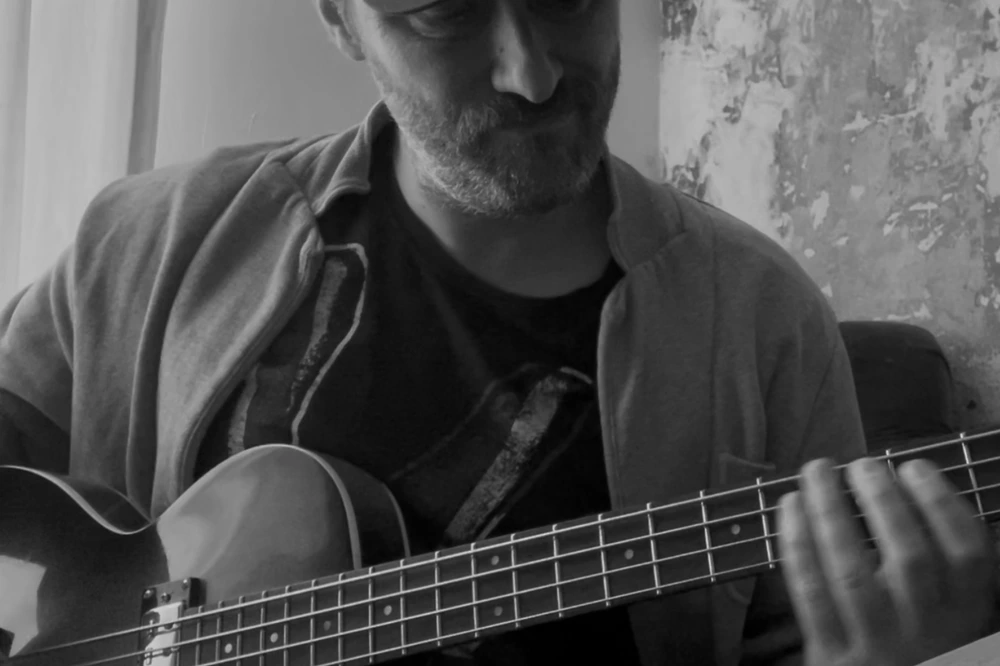
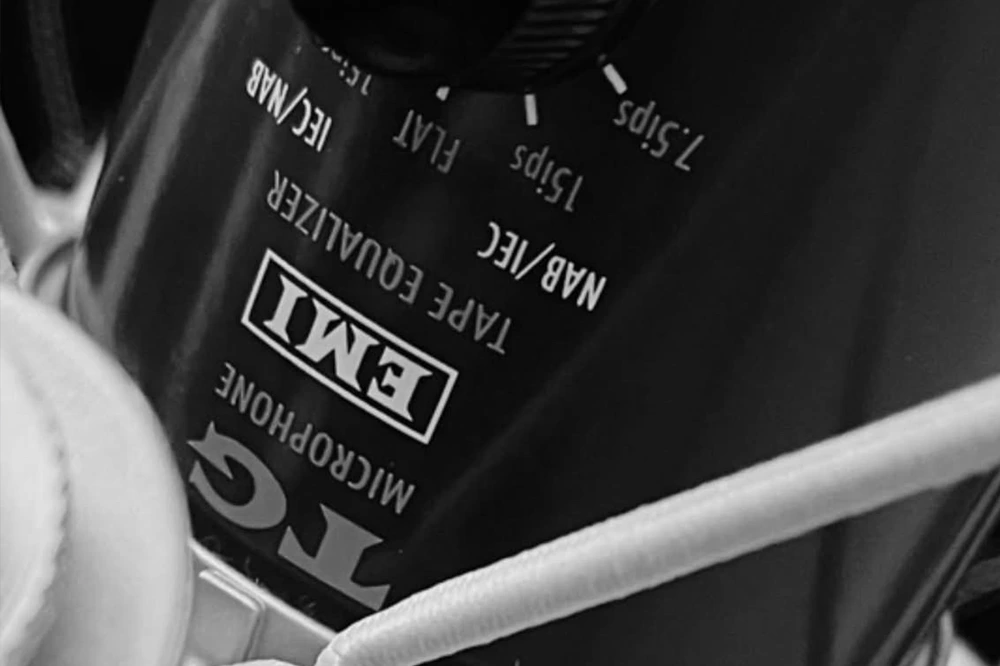
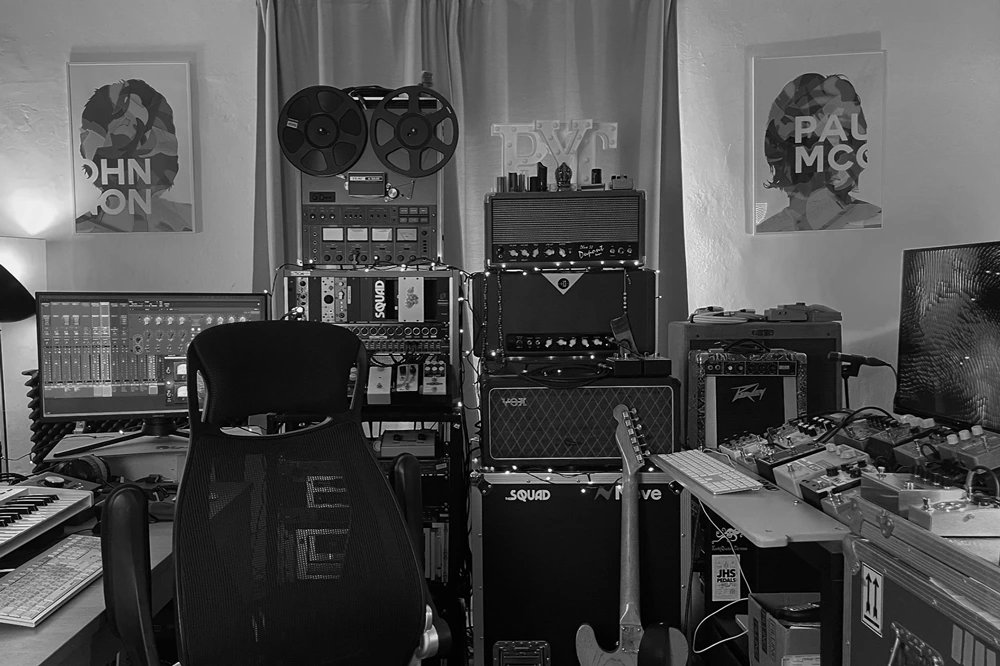
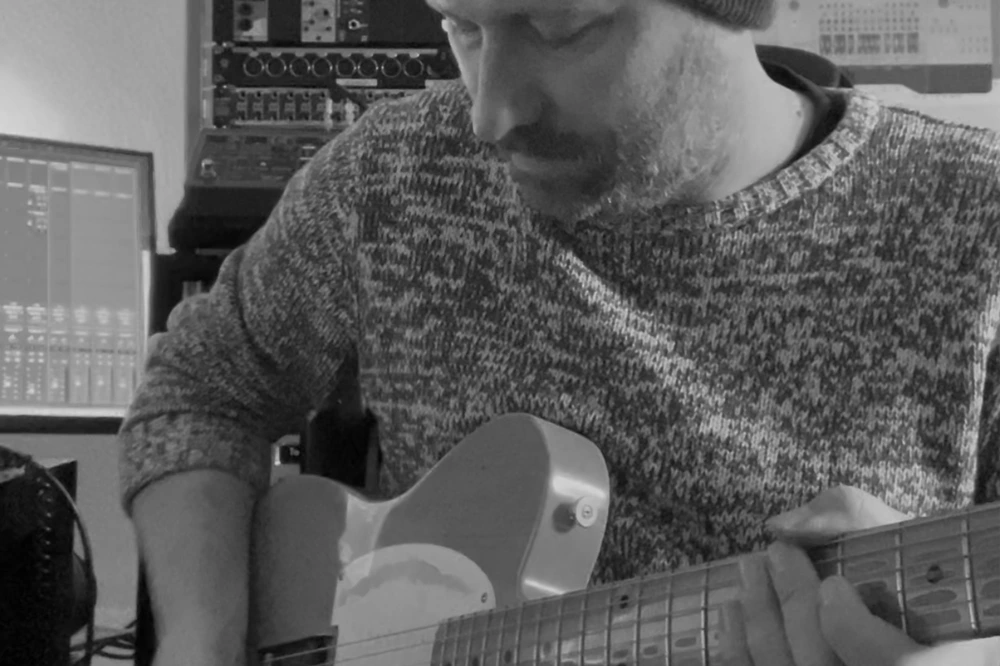
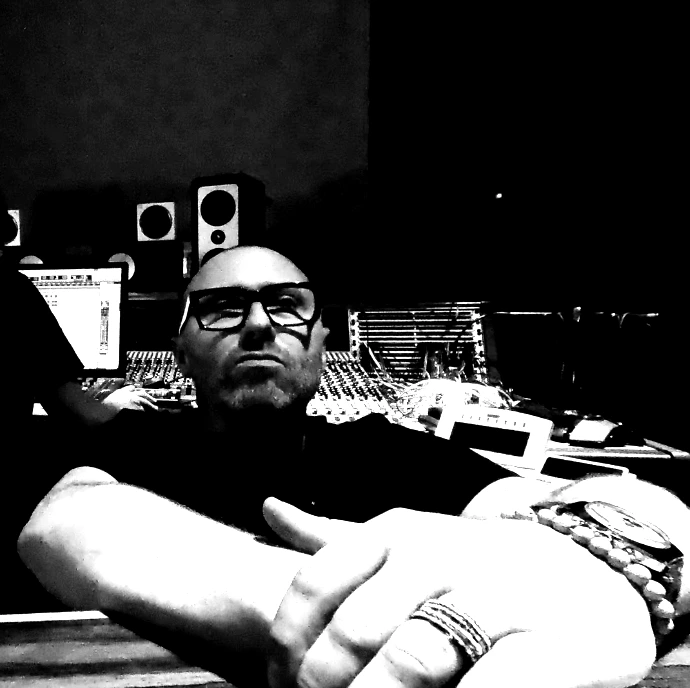
Parts of this were recorded to tape. Not as an aesthetic gesture, as a discipline. The philosophy was simple: fewer choices. Real instruments, real musicians, as little digital as possible. When you commit to analog, you commit to the moment. There's nowhere to hide.
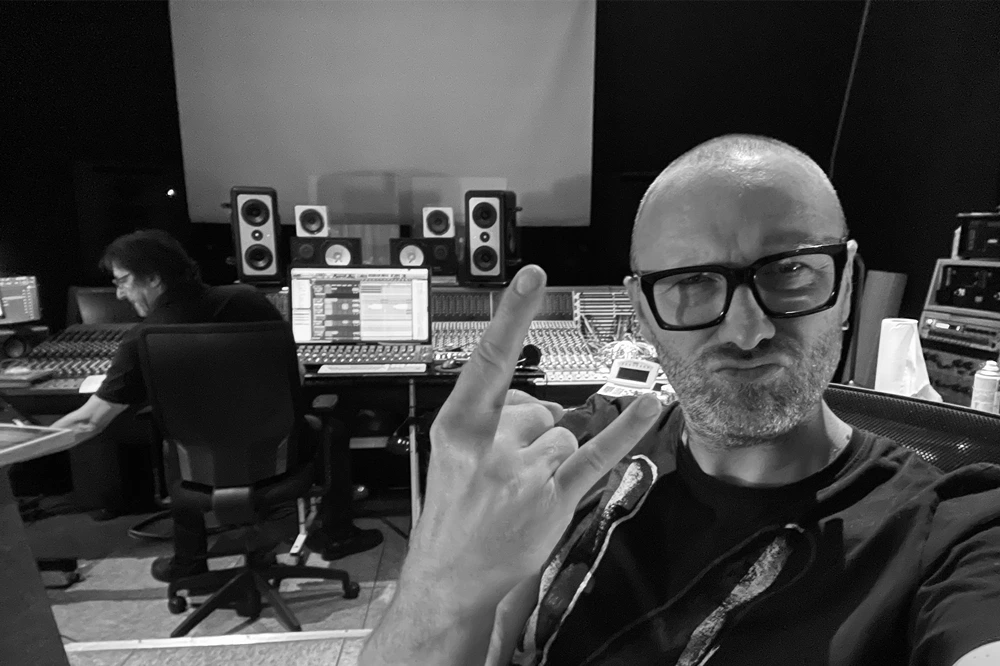
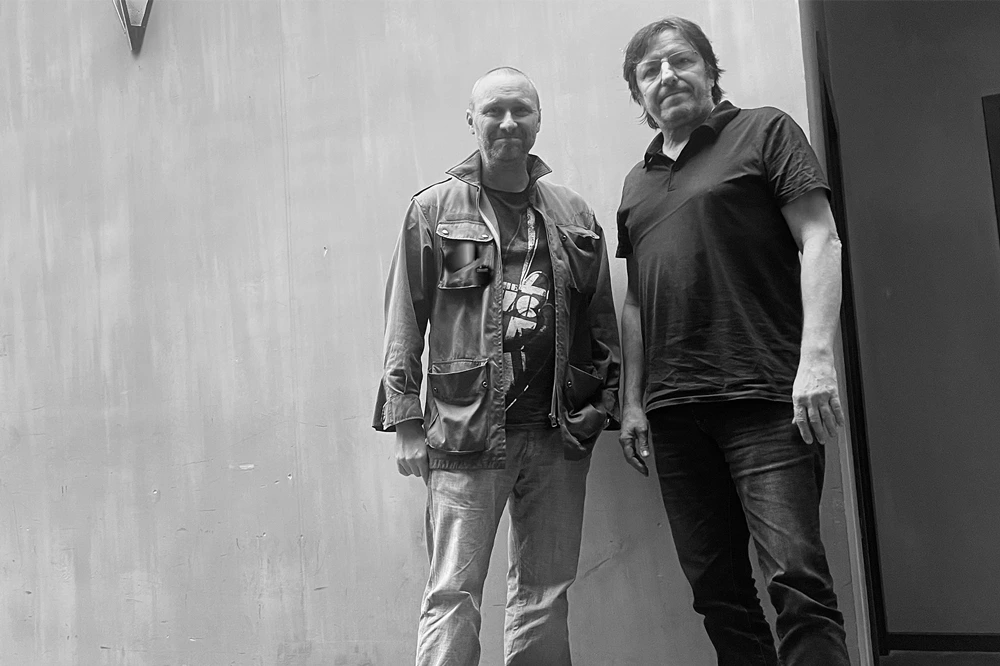
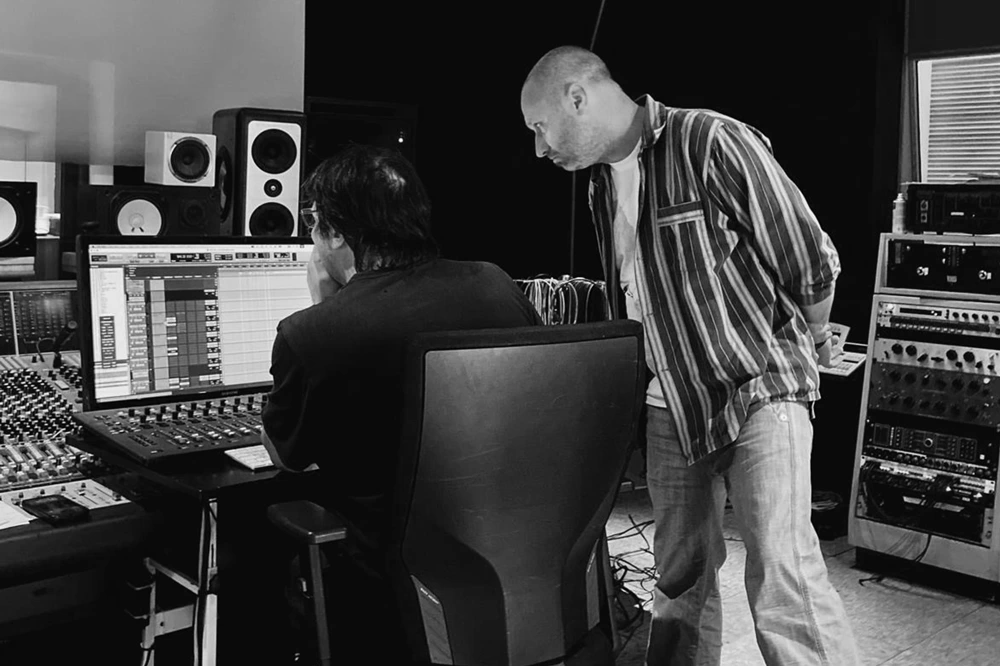
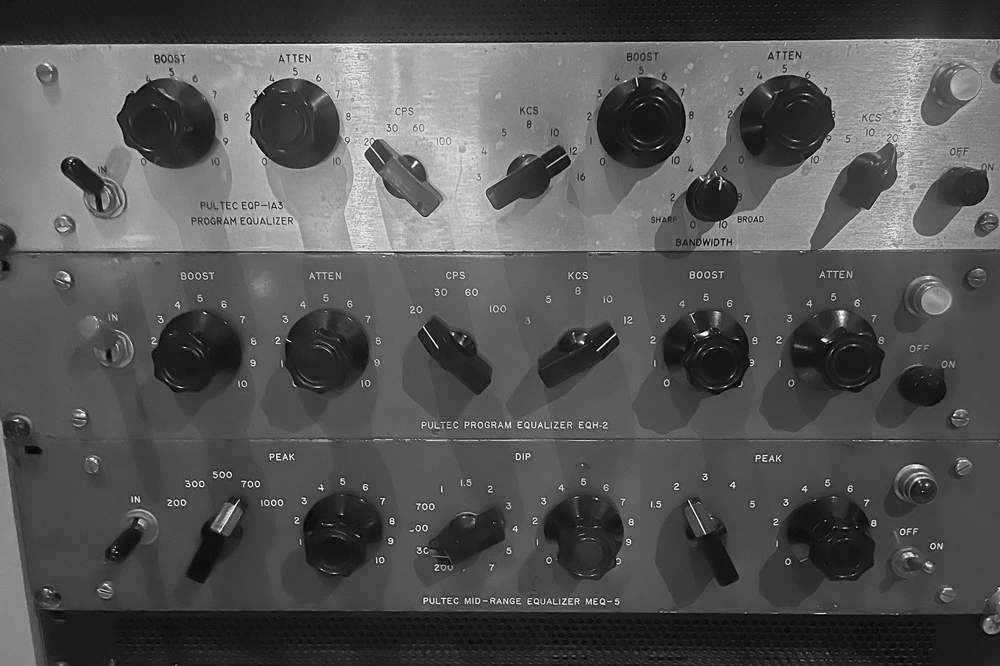
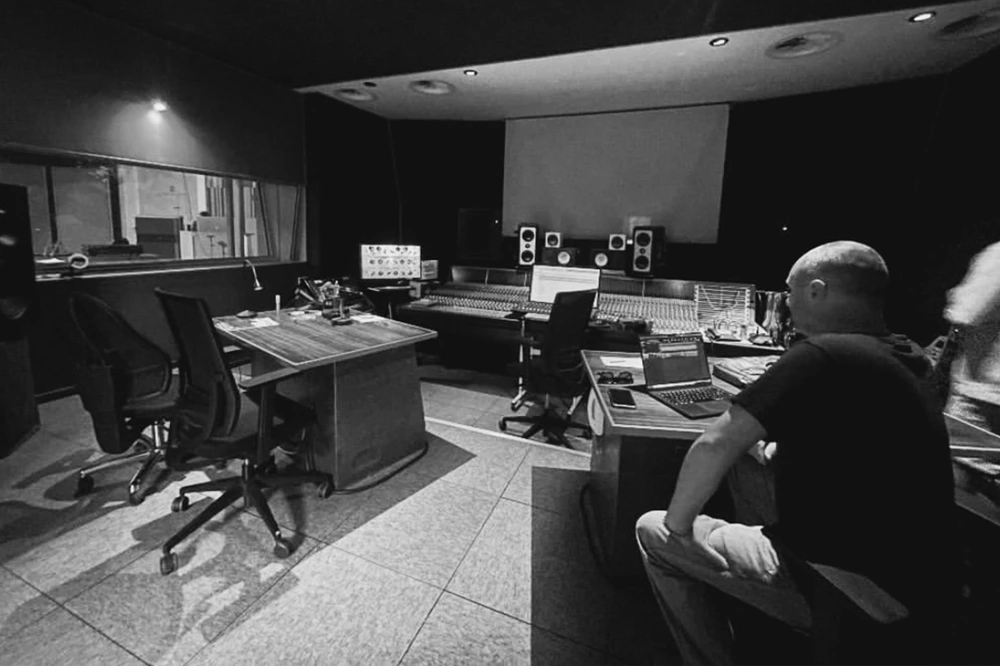
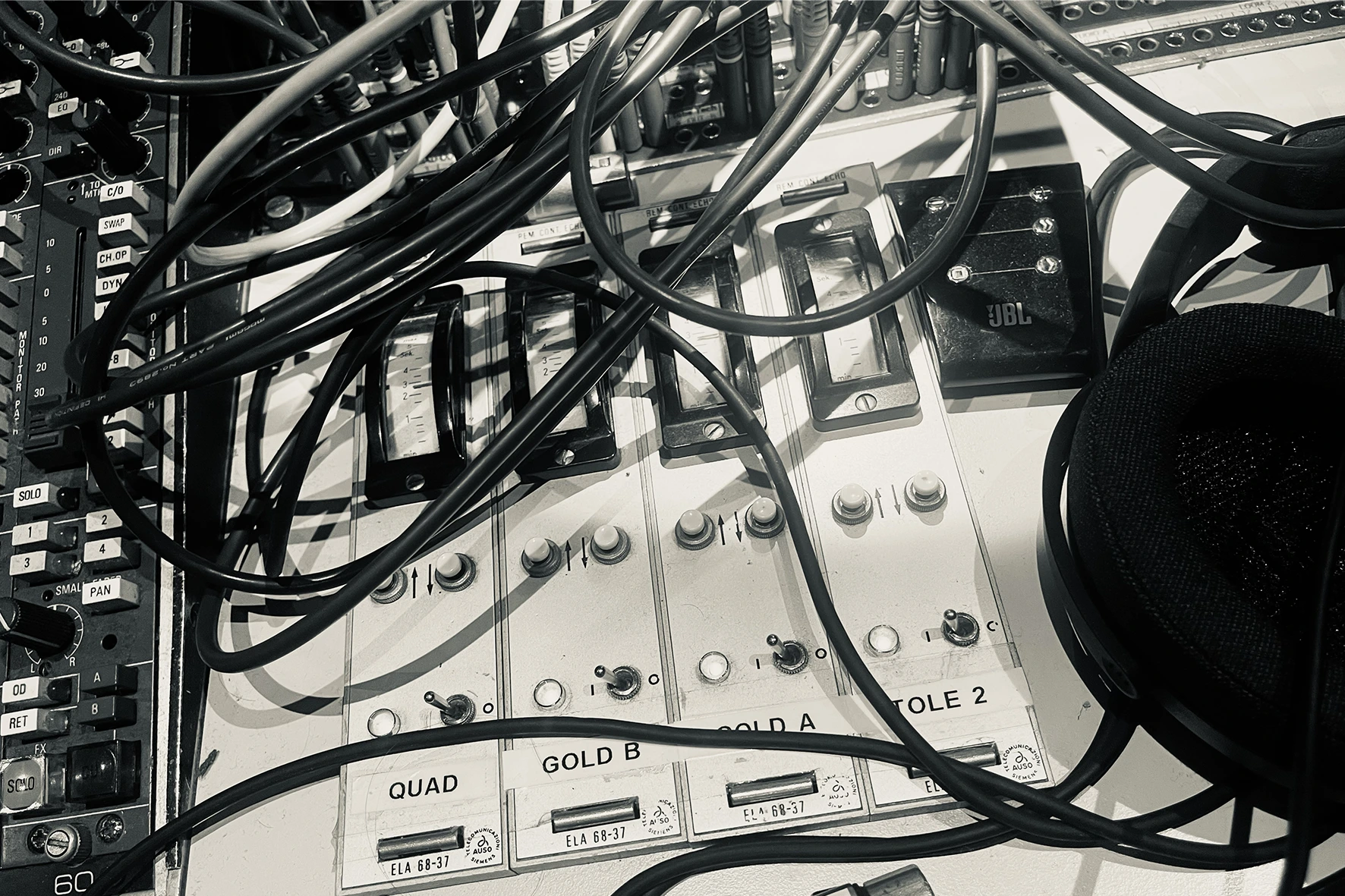
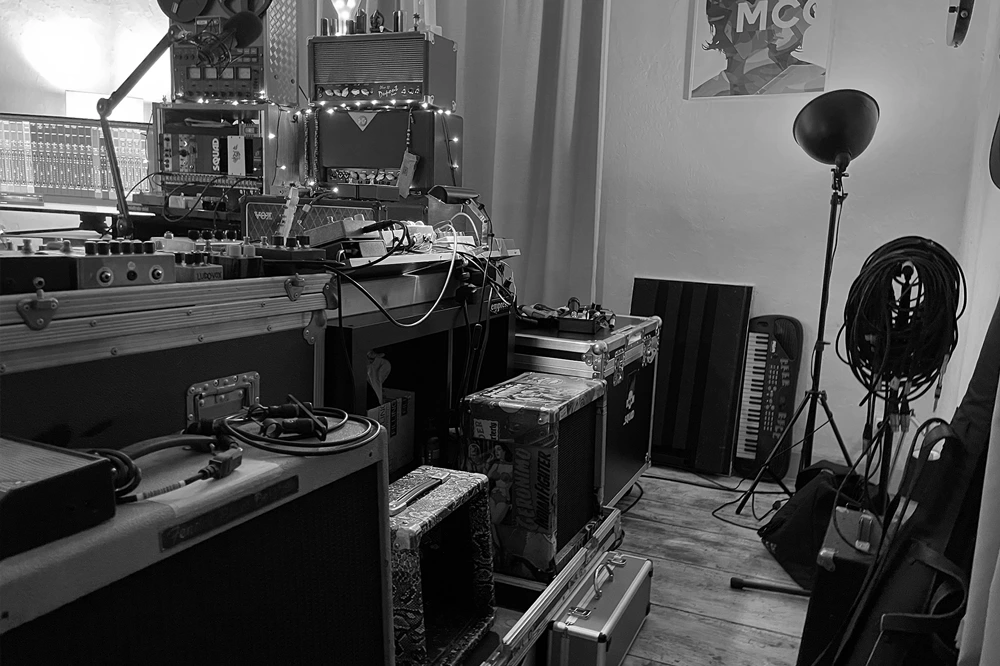
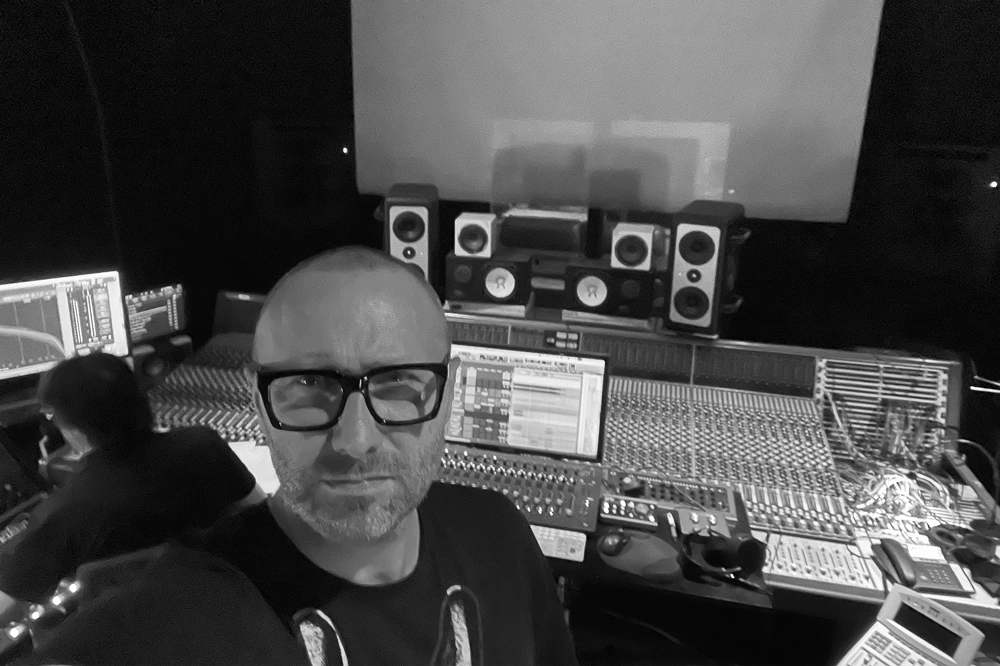
The mixing was done at DADA Studios in Brussels, a room full of vintage gear chosen for exactly one reason: the grit. Because that room sounds the way the footage looks.
Every decision was final. We worked the way musicians worked in the 1970s which is to say, we worked as if the moment mattered. Because it did.
A World That Moved Differently
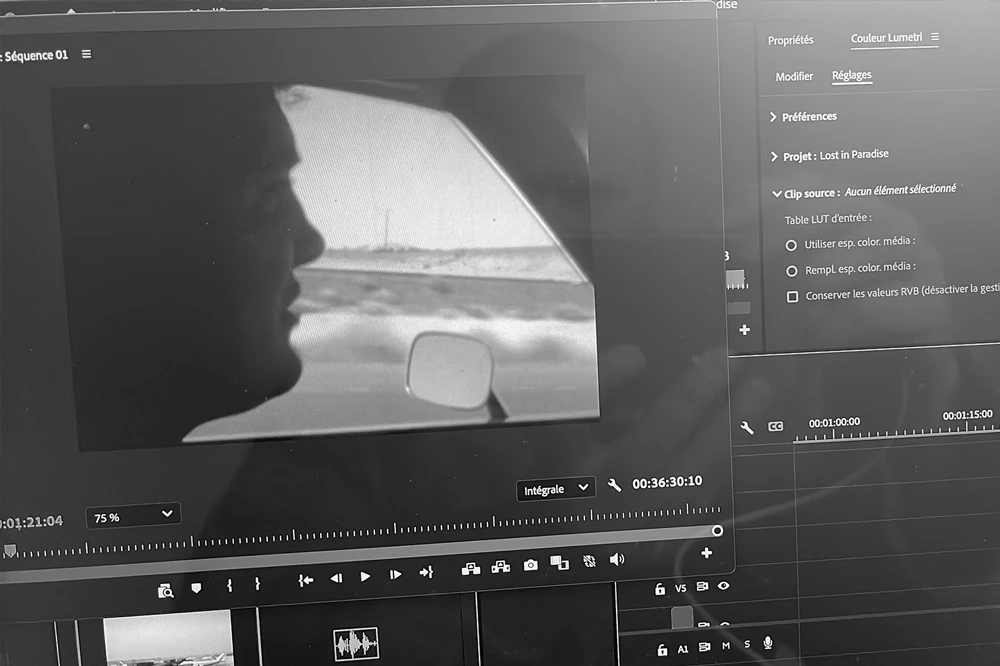
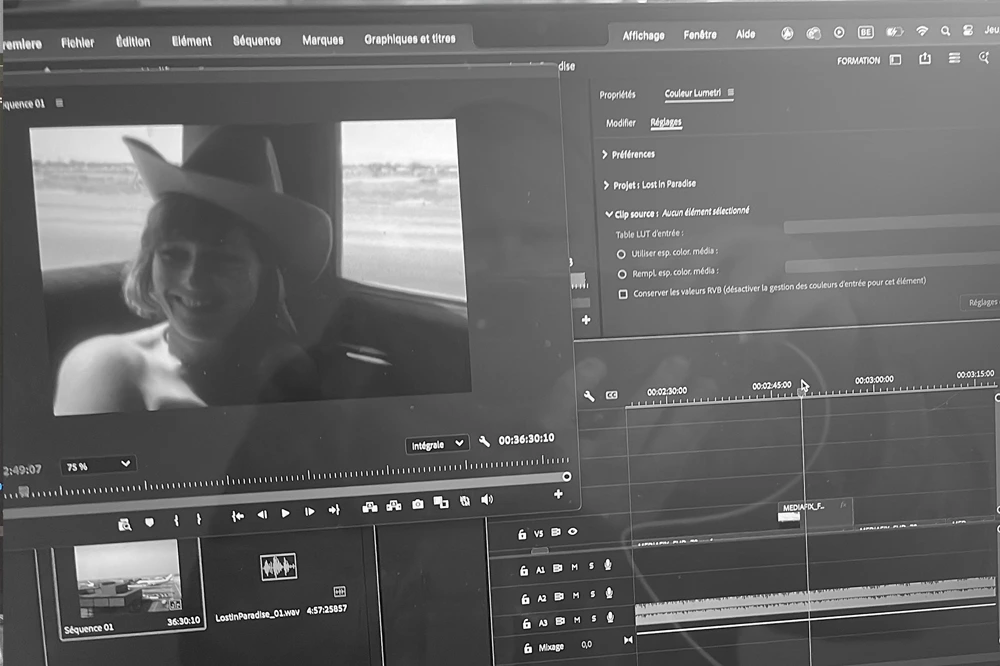
When I found the reels and managed to digitize them, I understood immediately that this was a gift. Not just a personal one. What the camera had caught without knowing it, without trying, was a world that moved differently. A time when people took the time to live. A lightness that doesn't photograph the same way anymore.
Fifty years later, I wanted to give those images what they deserved. Not restoration. Life.
What you will see is my family's private record of a journey through a landscape that no longer exists quite the way it did then, cut to music made by someone who was too young to remember any of it and yet somehow recognizes all of it.
The Story Behind The Song
I was deep into 70s music, Lou Reed, Gerry Rafferty, and something kept pulling at me. Not the production, not the era exactly, but the economy of it. The way a song like "Walk on the Wild Side" could hold an entire world with almost nothing. Two chords. A handful of words. Space where most producers would reach for more.
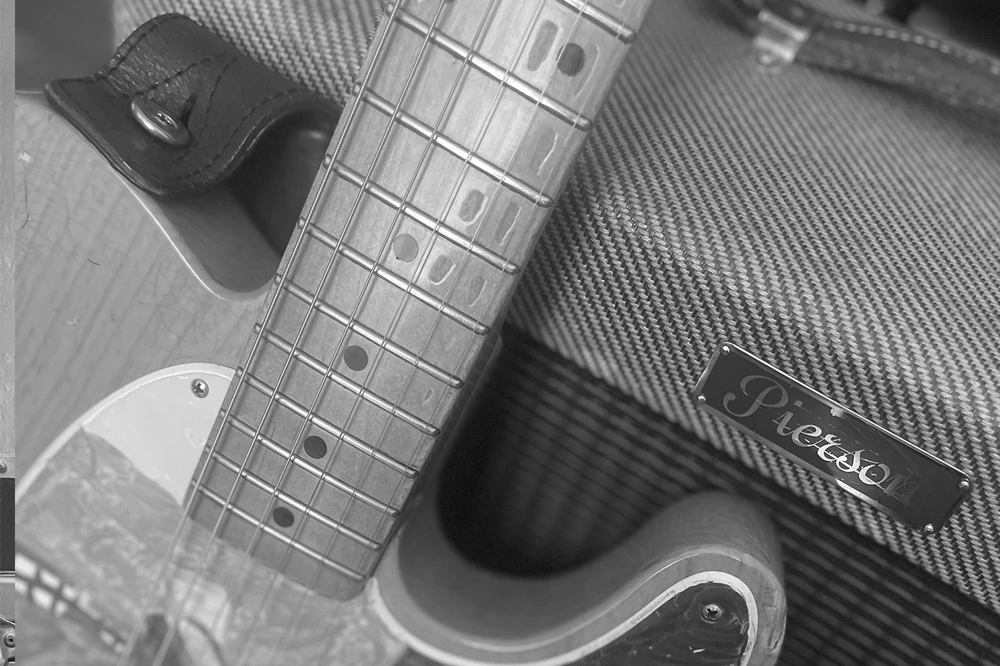
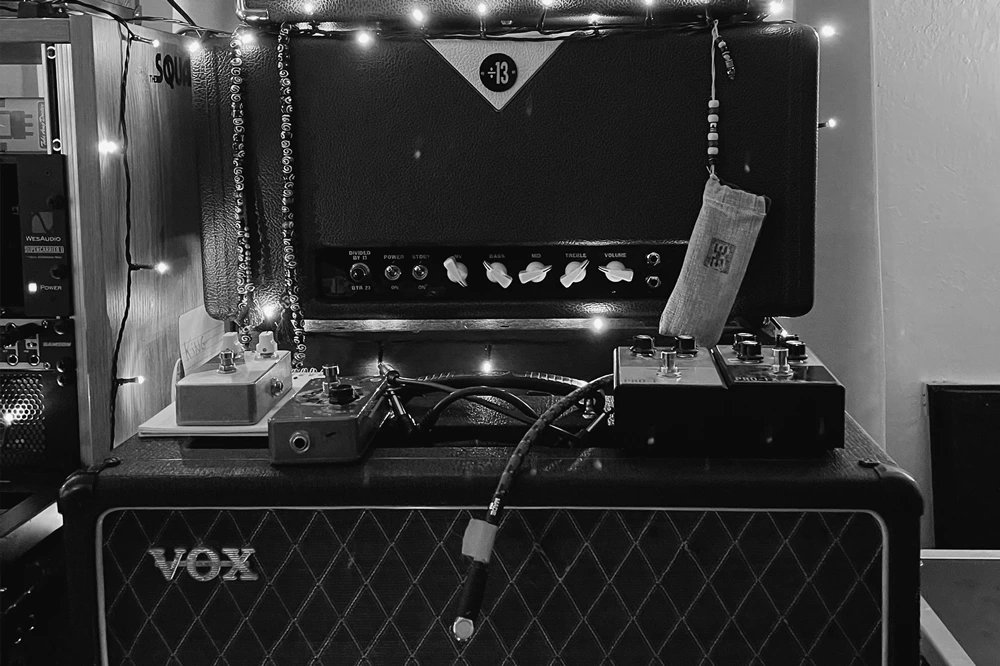
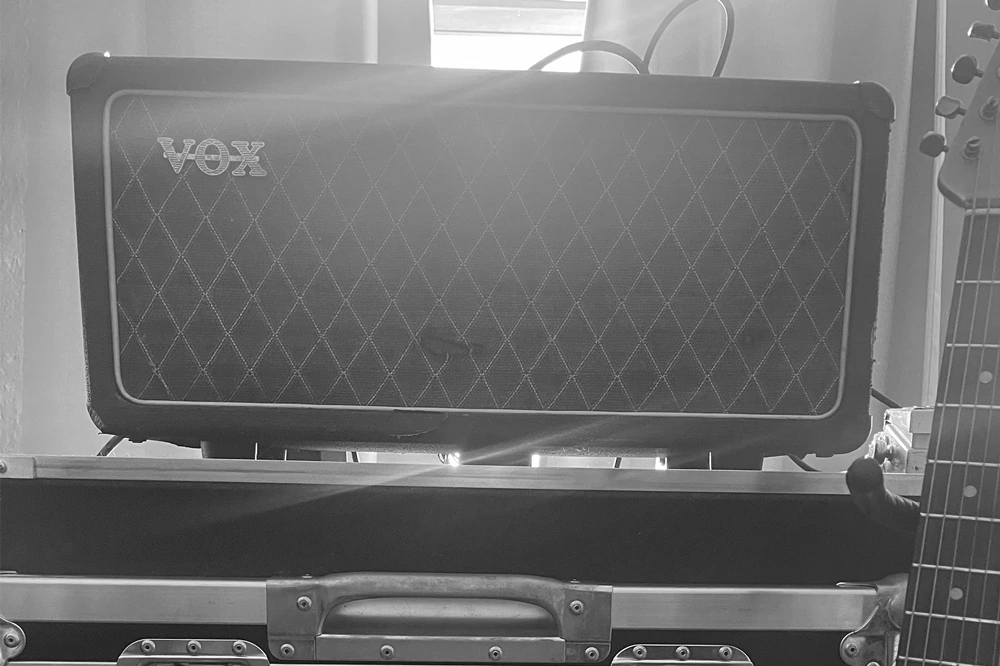
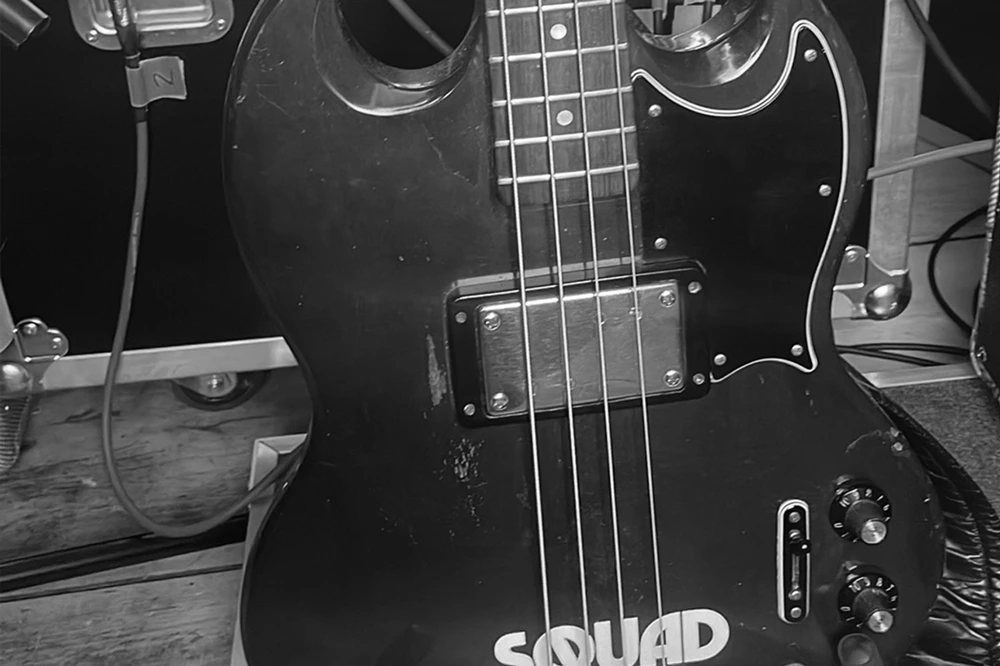
So I set myself a challenge: write a song with only two chords. And I didn't stop there. I extended the constraint to everything, two amps, two guitars, sounds recorded with as little processing as possible. I put myself in the headspace of being in a 1978 studio: committing to every decision as it happened, allowing no second-guessing, no safety net. If a take had something in it, that take was the take.
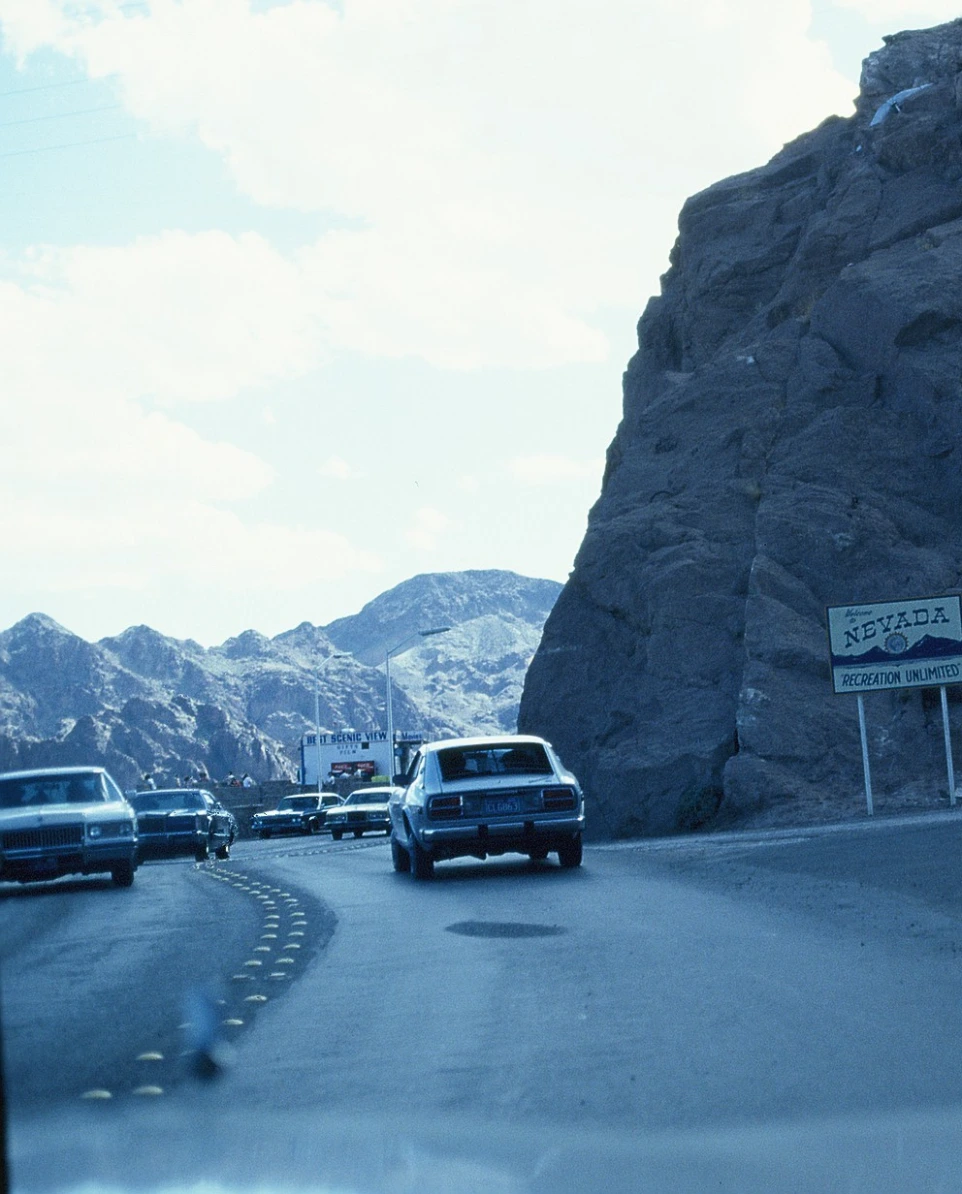
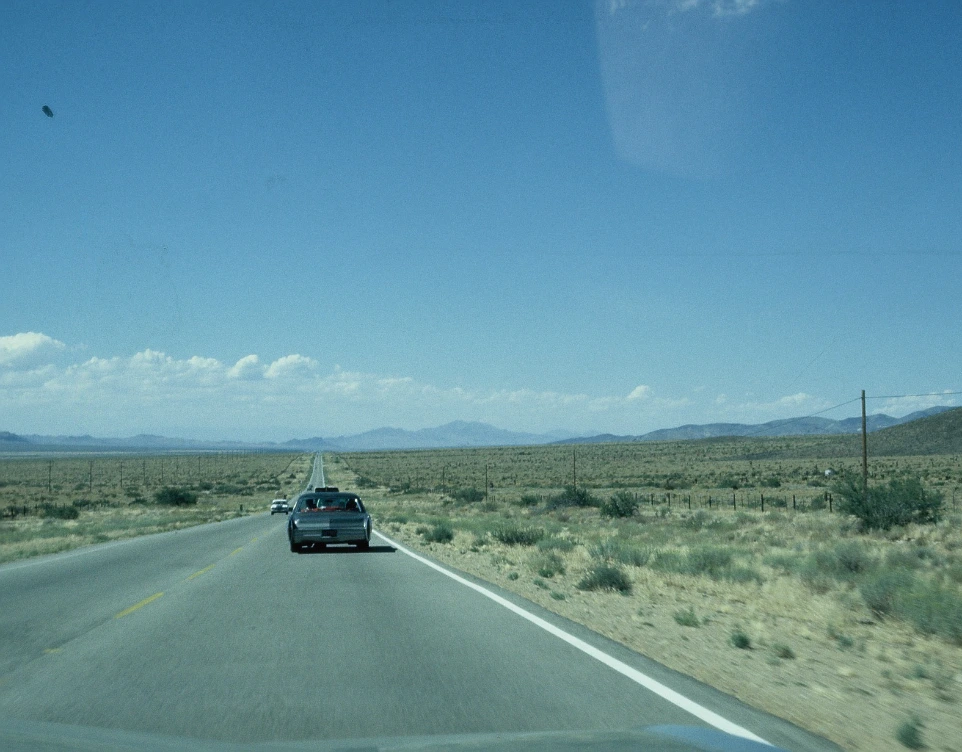
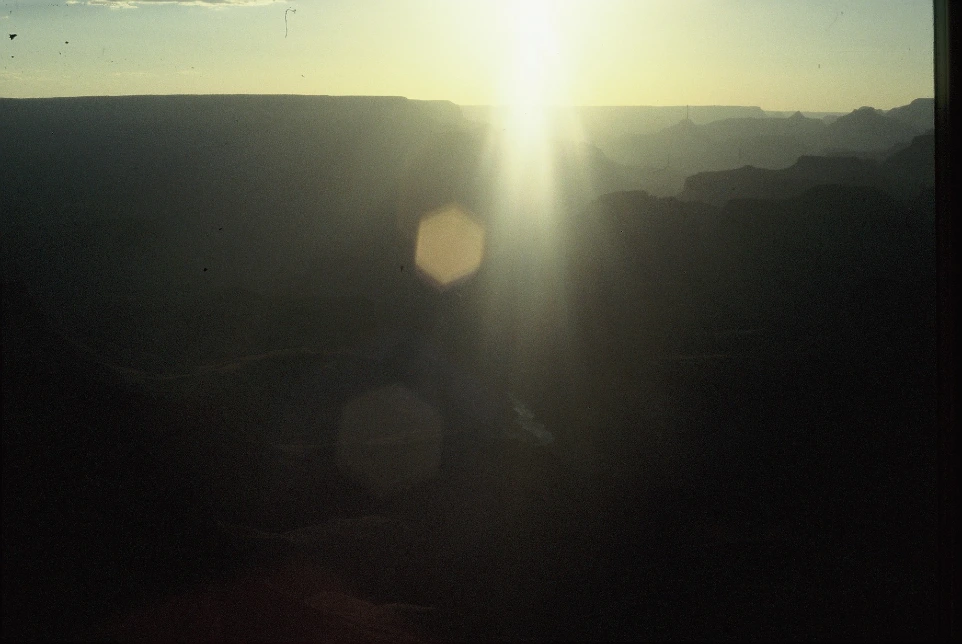
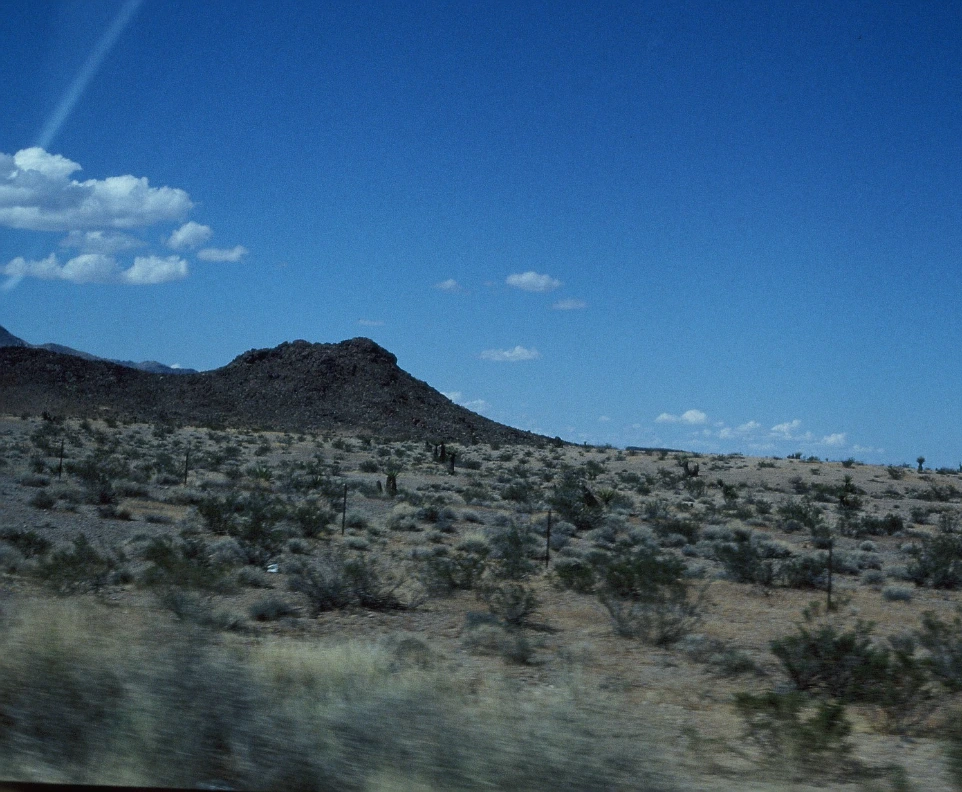
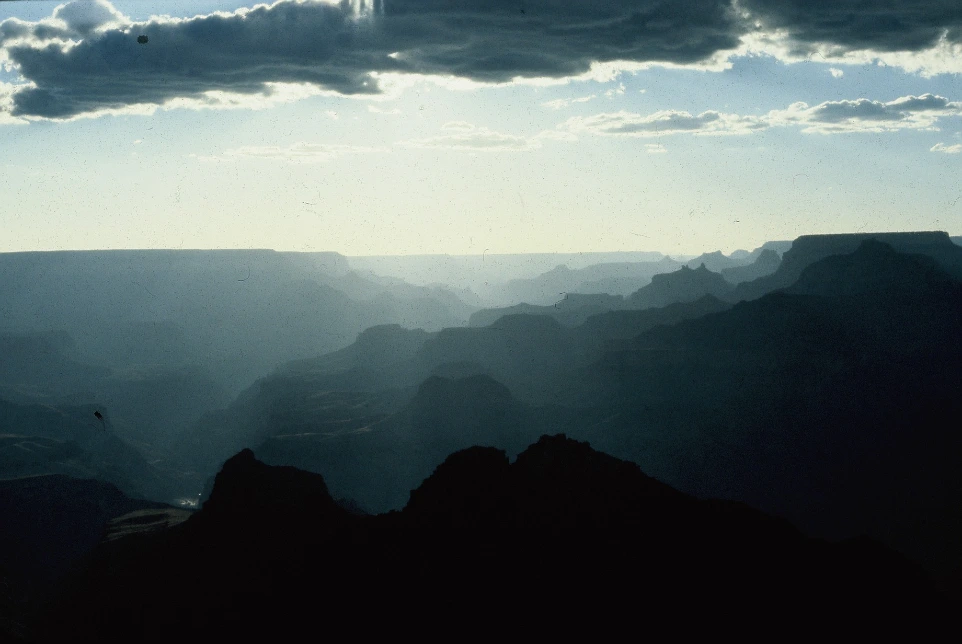
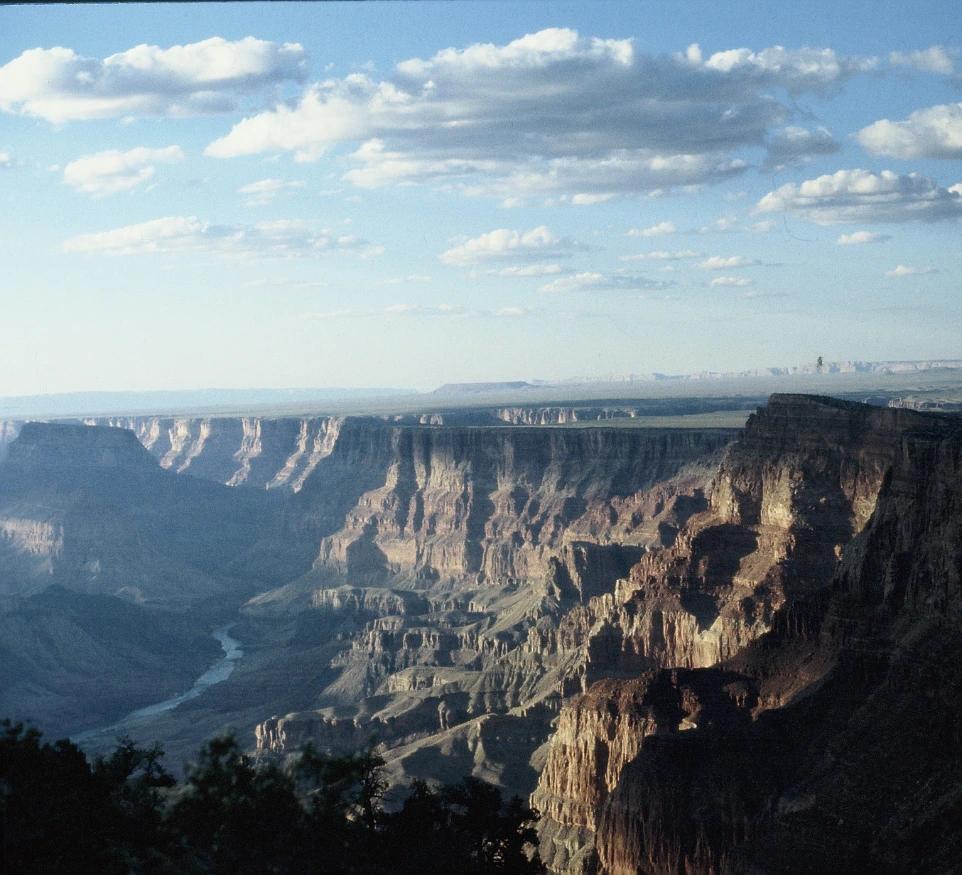
The song was already taking shape from that place when I found them almost by accident, Super 8 film reels, buried in the attic, shot by my parents on a road trip through Arizona, Nevada, and California in 1978, footage I hadn't seen since a home screening in the mid-1980s, when I was around six or seven years old. I had the reels digitized. When the files opened on my screen, something locked into place. Almost fifty years of silence, and then, suddenly, the color of the song was right there in front of me, in the grain and the light and the way the desert moved past the car window like a slow dream someone else had dreamed.
The constraint had built the room. The footage filled it with light.
In the Heart of the Making